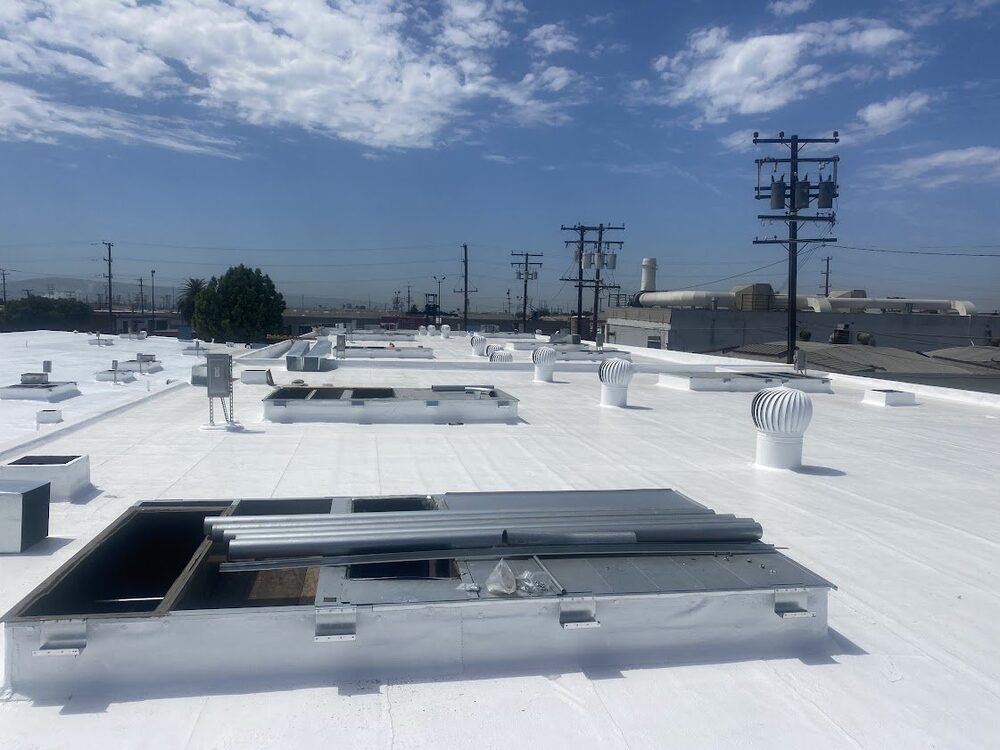
A roof leak around an HVAC unit typically originates from failed curb flashing, degraded pitch pocket sealant, cracked vibration isolator gaskets, or disconnected condensate drain lines. Rooftop heating and air conditioning units generate continuous mechanical vibration and thermal expansion, which loosens fastener penetrations and splits roofing membranes around the curb perimeter.
Key Technical Takeaways
- HVAC rooftop leaks can be either rainwater intrusion or internal condensate pan overflow.
- Pitch pans (pitch pockets) require periodic refilling with elastomeric pourable sealer as UV exposure dries them out.
- Curb corners must feature welded or fully vulcanized membrane boots on commercial TPO roofs.
- Vibration from older rooftop compressor units accelerates flashing joint fatigue.
Distinguishing Between Rain Leaks and AC Condensate Leaks
Before climbing the roof, confirm the leak pattern. If water drips inside during a dry, sunny summer afternoon while the air conditioner is running full blast, the issue is almost certainly a clogged condensate drain line or cracked drain pan inside the HVAC unit. If water drips during rain, the exterior roof curb flashing or duct penetration has been breached.
Commercial TPO Curb Flashing Vulnerabilities
On commercial flat roofs in Palmdale, Lancaster, and Santa Clarita, rooftop package units sit atop raised wooden or metal curbs. The TPO single-ply membrane must extend up the vertical curb face a minimum of 8 inches, fastened with termination bar and sealed with counterflashing. If HVAC service technicians step on the membrane or fail to re-install counterflashing screws after servicing equipment, leaks develop quickly.
Pitch Pockets and Penetration Seals
Electrical conduits and refrigerant lines entering the building through the roof pass through metal pitch pockets (flanged sheet metal boxes). These pockets are filled with pourable polyurethane sealer. Over 3 to 5 years, intense Southern California sun shrinks this sealant, creating a concave crater that collects water and funnels it straight down the electrical conduit.
APR Roofing Professional HVAC Sealing Standards
APR Roofing specializes in commercial rooftop curb remediation. We install heat-welded TPO target corners, heavy-gauge galvanized counterflashing, self-adhering SBS curb wraps, and multi-component elastomeric pourable sealant that remains flexible under extreme rooftop vibrations.
- Rooftop HVAC units house high-voltage 240V/480V electrical connections and spinning blower wheels; maintain safe clearance during inspection.
- Flat commercial roofs can become extremely slick around AC units due to algal growth from condensation runoff.
Repair vs. Replace Decision Matrix
- •The HVAC curb is structurally sound and the leak is confined to degraded pitch pocket filler or split corner welds.
- •The surrounding roof membrane is pliable with no widespread ponding water issues.
- •Water has not saturated the rigid polyiso roof insulation beneath the membrane.
- •The wooden HVAC curb has dry-rotted and sagged under unit weight, requiring crane detachment and re-framing.
- •The entire flat roof membrane has reached end of life (18-25+ years old) and requires complete re-roofing.
- •Extensive wet insulation beneath the roof requires code-mandated tear-off.
Frequently Asked Questions
Who fixes an HVAC roof leak: the roofer or the HVAC technician?
HVAC technicians handle internal unit issues (coils, drain pans, motors, freon). Roofing contractors (CSLB C-39) are legally certified to flash the curb, weld membrane boots, and waterproof the roof penetration. APR Roofing collaborates with commercial HVAC mechanical contractors across Southern California.
How high should an HVAC curb be above the roof deck?
National Roofing Contractors Association (NRCA) standards and local building codes require curb flashing to extend a minimum of 8 inches above the finished roof surface to prevent storm water and snow overflow.
Need Professional Assistance With Your Roof?
Our 100% in-house trained crews provide certified leak diagnostics, storm inspections, and permanent repairs across Lancaster, Palmdale, Santa Clarita, and Gardena.